Eating with the calendar means choosing produce when it tastes best and costs less. For a U.S. audience, seasonal ingredients cooking follows the natural growing calendar so vegetables and fruit arrive at peak flavor and texture.
This guide is organized by spring, summer, fall, and winter and by simple techniques. You can quickly find what’s in season and what to make this week. Think of the seasons as a flexible framework, not strict rules, since local climates shift peak windows.
Expect practical shopping cues and quick quality checks — look, smell, and feel. We’ll show easy methods that let peak produce shine and tips for preserving so you can enjoy those flavors across the year. Rotate colors, leaves, and textures to keep dishes lively.
Simple is better: when produce is ripe, minimal prep often gives the best results for busy schedules and better-tasting meals.
Why Eating Seasonally Matters for Flavor, Nutrition, Cost, and Sustainability
Choosing produce at its peak radically changes how your meals taste and feel. Peak ripeness means fruit and veg were allowed to mature on the plant until they developed full sugar, acid, and aroma. For example, June strawberries often taste juicier and sweeter than winter imports.
Better flavor at peak ripeness
Better flavor comes from balanced sugars and acids. Think crisp spring greens, juicy summer tomatoes, sweet fall apples, or bright winter citrus — each offers distinct texture and scent that show why timing matters.
More nutrition from harvest timing
Produce picked at its best often retains more vitamins and minerals than items harvested early for long shipping. That means you can enjoy fresh taste and better nutrition with the same simple meals.
Cost savings from abundance
When crops are abundant, prices drop at farmers’ markets and stores. Be flexible week-to-week and you’ll save money while you enjoy fresh variety at home.
Eco-friendly benefits
Buying locally in the right time of year cuts food miles and trims packaging needs. Less transport and fewer boxes reduce the supply chain footprint and make your meals a greener choice.
Over a few weeks or even days of shopping with the harvest cycle, you’ll notice better flavor, lower bills, and more colorful meals. This is a simple, repeatable way to eat well without fuss. Learn more about why this matters at eating in season.
How to Shop for Seasonal Produce in the United States
A quick market visit reveals which produce is actually ripe and ready now. Start at a farmers’ market or a local stand to see what growers brought that morning. Vendors sell what finishes well outdoors, not what ships best long distances.
Farmers’ markets as your compass
Walk the market before you plan meals. Build salads, bowls, and sides around what looks abundant and bright. This is the fastest way to choose produce that’s at peak flavor and value.
Grocery-store cues
Look for big front-of-store displays, steep promotions, and clear country-of-origin labels. These signs often point to items that are peaking locally rather than imported.
Quality checklist and quick tips
- Leaves: pick crisp greens without slime or yellowing.
- Vegetables: choose pieces that feel heavy for their size.
- Fruit: sniff for a noticeable aroma and even color.
- Fresh herbs: buy bunches with perky stems and strong scent; avoid blackened leaves.
Prep-to-protect-quality: don’t wash berries until use, keep greens dry, and store spring onions upright. If you start seeds or buy starts, you can align home harvests with market buys to save time and extend freshness.
Bottom line: better produce means less trimming, fewer disappointments, and more reliable meals every week.
Spring Seasonal Ingredients: Tender Greens, Herbs, and Early Sweetness
Spring brings a quick green rush: tender leaves, bright herbs, and the first sweet fruit of the year. Flavor profiles lean toward crisp bites, gentle bitterness, and light sweetness that wants minimal handling.
What’s in season and how to use it
- Asparagus: roast briefly with olive oil and lemon for a bright side.
- Peas & snow peas: blitz into a simple soup or toss raw into salads for snap and color.
- Spinach & baby leaves: eat raw or wilt lightly with garlic for quick, tender greens.
- Radishes: slice thin for crunch in salads and bowls.
- Strawberries & rhubarb: pair for pies, tarts, or quick compotes.
- Mint and other herbs: add fresh lift—mint pairs especially well with peas and spring fruit.
Why quick methods work
Quick roasting locks flavor and keeps color. Light sautés preserve texture and nutrients. And eating raw highlights delicate leaves and herbs at their peak.
| Produce | Best method | Simple dish idea |
|---|---|---|
| Asparagus | Quick roast with lemon | Roasted asparagus with lemon |
| Peas / Snow peas | Blended or raw in salads | Fresh pea soup or snap-pea salad |
| Spinach / Baby greens | Eat raw or briefly wilt | Herb spinach salad |
| Strawberries + Rhubarb | Bake or simmer | Strawberry-rhubarb compote or tart |
Spring template: each week aim for one raw salad, one lightly cooked sauté or roast, and one simple soup to use produce at peak and avoid waste.
Summer Seasonal Ingredients: Peak Harvest for Salads, Grilling, and No-Fuss Dishes
Sunny weeks offer a bounty of tomatoes, corn, and berries that make light meals sing. That abundance means more variety, better flavor, and lower prices at markets and stores. Use the peak window to plan easy, low-heat meals that suit long, warm days.
Core summer lineup and quick uses:
- Tomatoes: raw in salads, sauces, or slow-roasted for depth.
- Cucumbers: crisp in salads or chilled soups.
- Peppers: grill whole, slice for sautés, or chop into salsas.
- Corn: grill or boil, then shave for salads and tacos.
- Summer squash / zucchini: quick-sauté, grill, or spiralize into noodles.
- Eggplant & basil: grill eggplant and finish with fresh herbs.
Berries and stone fruit: raspberries, blackberries, blueberries, and strawberries make fast breakfasts, snacks, or compotes. Cherries and peaches are perfect sliced, baked briefly, or eaten fresh as no-fuss desserts.
Keep the kitchen cool: favor raw salads, use the grill outdoors, and cook in short bursts. Look for fragrant tomatoes, dry plump berries, and firm, heavy peppers when selecting produce.
Summer weekly plan: one big salad night, one grill night, and one chilled soup night built around a featured fruit or vegetable.
Fall Seasonal Ingredients: Squash, Root Vegetables, and Cozy Comfort Foods
When the air cools, plates shift toward heartier, earth-forward flavors that warm the table.
What’s in season and how to use it
Fall brings pumpkins and winter squash, sweet potatoes, beets, brussels sprouts, kale, apples, pears, and cranberries. Winter squash excels for purées and roasting. Sweet potatoes shine on sheet pans and in warming bowls.
Beets and other root vegetables take to high heat and caramelize. Kale braises or joins soups for structure. Cranberries and fruit add bright contrast in sweet dishes and baked goods.
Roasting for better flavor
Caramelization is the core idea: high heat creates sweet, nutty edges and crisp surfaces. Toss chunks with oil, salt, and a little heat to get restaurant-style depth.
Soups, stews, and sweet ideas
Roast vegetables first to deepen flavor, then blend into soups or simmer into stews with onions and stock. This gives weeknight bowls more body without extra effort.
For baked goods, pair apples, pears, and cranberries for balanced sweetness. Try quick galettes, muffins, or a simple crisp to showcase fruit.
Pairings and planning
Match squash with sage-like herbs, sweet potatoes with warming spices, and brussels sprouts with tangy glazes. Store hardy produce in cool, dry spots so you can buy a bit more and stretch meals across cold days.
Winter Seasonal Ingredients: Citrus, Cabbage, Potatoes, and Warming Stews
Winter’s pantry centers on hardy roots, brassicas, and bright citrus that keep meals lively through cold months.
Key winter staples: citrus fruits (oranges, grapefruits, lemons, mandarins) add brightness. Cabbage and kale give structure and bite. Potatoes, carrots, and parsnips supply sweetness and heft. Leeks and onions build savory depth for soups and stews.
Go-to methods
Roast root vegetables for caramelized depth. High heat brings out sweet, nutty notes in potatoes and parsnips.
Simmer big pots of soups and warming stews for hands-off comfort. They store well and reheat without losing texture.
Brighten and balance
Start soups with onions or leeks, add potatoes for body, then stir in cabbage or kale near the end for texture.
Finish heavy dishes with citrus segments, a squeeze of juice in dressings, or brewed peel in hot tea to cut richness.
- Weeknight plan: make one large pot of warming stew, then remix leftovers with fresh greens and citrus garnishes.
- Shopping cues: choose firm cabbage heads, fragrant citrus, and potatoes without green spots.
Taste tip: pair rich roasted root plates with a bright vinegar or citrus to keep winter meals from tasting flat.
Seasonal Ingredients Cooking Techniques That Let Fresh Produce Shine
A few basic methods unlock the best textures and aromas from market picks across the year.
Roast, steam, sauté, or grill
Guiding principle: choose the simplest method that preserves peak flavor — roast for caramelized sweetness, steam for delicate bites, sauté for speed, grill for smoke, and eat raw for crisp freshness.
Technique decision tree
- Tender leaves and baby greens → salads or quick wilts.
- Sturdy vegetables like roots or winter squash → roast.
- Cabbage and firm brassicas → slaws or quick char on the grill.
- Delicate veg (peas, asparagus) → steam or sauté briefly.
Salads, slaws, soups, and stews
Salads evolve: spring baby leaves, summer chopped salads, fall shaved veg, winter cabbage slaws that stay crisp.
Soups and stews shift too: light spring blends, chilled summer bowls, fall squash soups, and winter-rich stews with potatoes and aromatics.
Herbs and aromatics
Fresh herbs like mint, basil, and parsley add instant lift. Sweat leeks or onions for sweet depth, add spring onions at the end for bite, and finish dishes with fresh herbs to keep flavors bright.
Practical payoff: match method to produce and you cut waste, save time, and gain reliable weeknight flavor. Master roast, sauté, and a basic soup base, and you’ll have a dependable way to eat well.
Meal Planning With the Seasons: Building Weekly Menus Around One Featured Ingredient
Pick one produce item as the week’s hero. Then plan three to five easy meals that use it in different ways. This keeps grocery lists small and helps you enjoy a variety of vegetables across the year.
The “one ingredient per week” approach
Choose what’s abundant and well-priced at the market. If asparagus, peas, or spinach looks great in spring, center the week on that item.
In summer pick tomatoes or peppers. In fall focus on squash. In winter use potatoes for hearty dishes.
Mix-and-match templates
- Bowls: grain + veg + protein (roasted squash or grilled peppers work well).
- Salads: greens + crunch + bright dressing (spinach or arugula + nuts + citrus).
- Sheet-pan dinners: toss vegetables and protein with oil and roast.
- Quick pasta: fold in peas, tomatoes, or roasted squash for fast weeknight meals.
- Tacos/assemblies: use roasted potatoes or peppers as a filling and add herbs.
Weekly rhythm and time-saving prep
Plan one fast cook, one leftovers-friendly pot (soups or stews), and one assembly night (salads or tacos). This balances variety and convenience.
Prep tips: wash and dry greens thoroughly, chop vegetables once for multiple uses, and store herbs in water or wrapped in a damp towel to extend freshness.
| Week focus | Example seasonal picks | Three simple dishes |
|---|---|---|
| Spring | Asparagus, peas, spinach | Grain bowl; light soup; salad with lemon |
| Summer | Tomatoes, peppers | Chopped salad; quick pasta; grilled tacos |
| Fall | Squash | Sheet-pan dinner; squash soup; roasted squash salad |
| Winter | Potatoes | Hearty stew; roasted potatoes with herbs; loaded tacos |
Family buy-in: announce the featured vegetable for the week. Make tasting a mini event and ask everyone to pick one dish idea. That turns planning into a shared, low-effort routine.
Remember: thoughtful planning saves time and money. Let peak produce carry the flavor while you keep meals simple and reliable.
Preserving Seasonal Produce So You Can Enjoy Fresh Flavor Year-Round
A little preservation goes a long way. When markets overflow, a few simple steps let you enjoy fresh fruit and veg across the year without waste.
Freezing basics: spread raspberries, blueberries, blackberries, and strawberries in a single layer on a tray, freeze, then bag to prevent clumps. Flash-freeze peas and chopped herbs in ice cube trays with a splash of water or oil for easy use in soups and pastas.
Quick pickles: a fast brine for cucumbers, onions, and peppers adds tang to heavy winter meals. Let jars sit a day, then use them on sandwiches, bowls, or roasted plates for brightness.
Batch and store
Simmer tomatoes into sauce, cook large pots of soups, or puree squash and freeze in portions. Proper storage for root vegetables, potatoes, and winter squash means cool, dark, dry spots to protect texture and flavor.
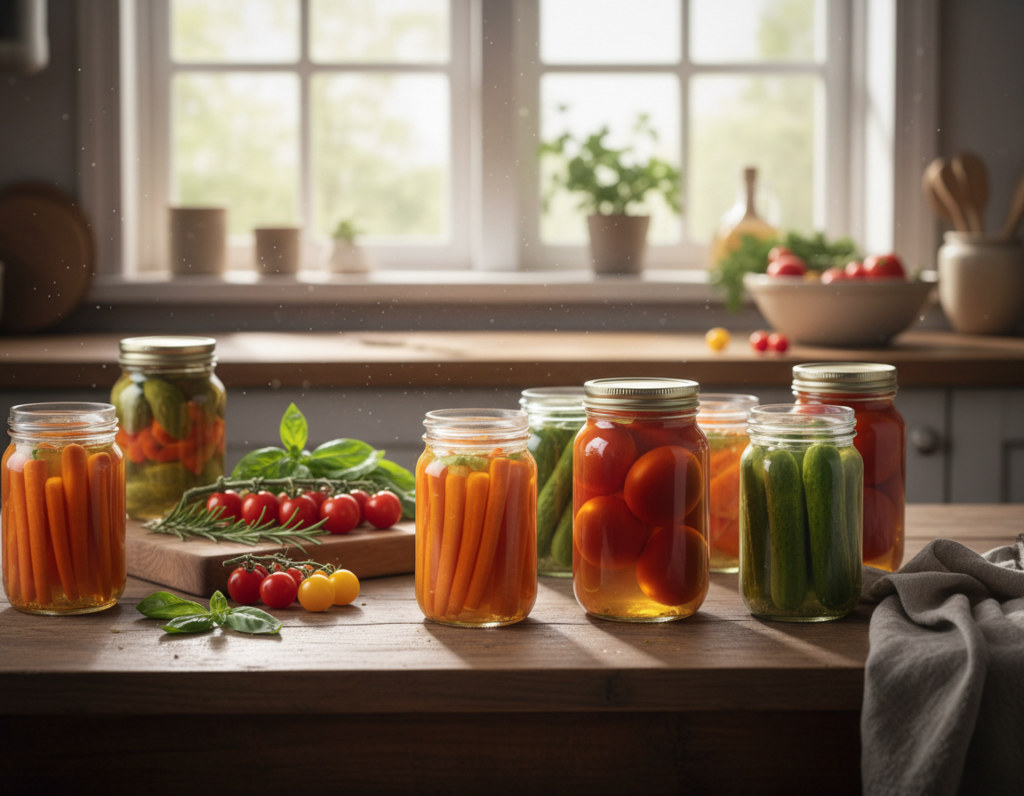
| Method | Best for | Quick tip |
|---|---|---|
| Freezing | Berries, peas, herbs | Single-layer freeze, then bag |
| Pickling | Cucumbers, onions, peppers | Use 1:1 vinegar-water, chill 24 hours |
| Batch cooking | Tomatoes, soups, squash | Portion before freezing |
| Cool storage | Potatoes, root vegetables, winter squash | Keep dark, dry, and ventilated |
Practical note: preserve what you actually use. For gardeners starting from seeds, saving small batches keeps the harvest from becoming a scramble and helps you enjoy fresh produce all year.
Conclusion
A simple rhythm of market picks can turn ordinary meals into memorable plates.
Choose fruit and vegetables at peak for better flavor, stronger nutrition, lower cost, and a smaller footprint. This small shift makes most dishes taste fresher and costs less over time.
Quick seasonal snapshots: spring brings tender leaves and herbs, summer offers abundance, fall moves toward cozy comfort, and winter delivers hardy, bright options.
Try this right away: pick one in-season item this time. Make two salads and one soup or stew around it during the week to test the approach.
Be flexible — local market cues and your climate beat a fixed calendar. Repeat the process and you’ll waste fewer leaves and leftovers, build cooking confidence, and enjoy more variety year-round.