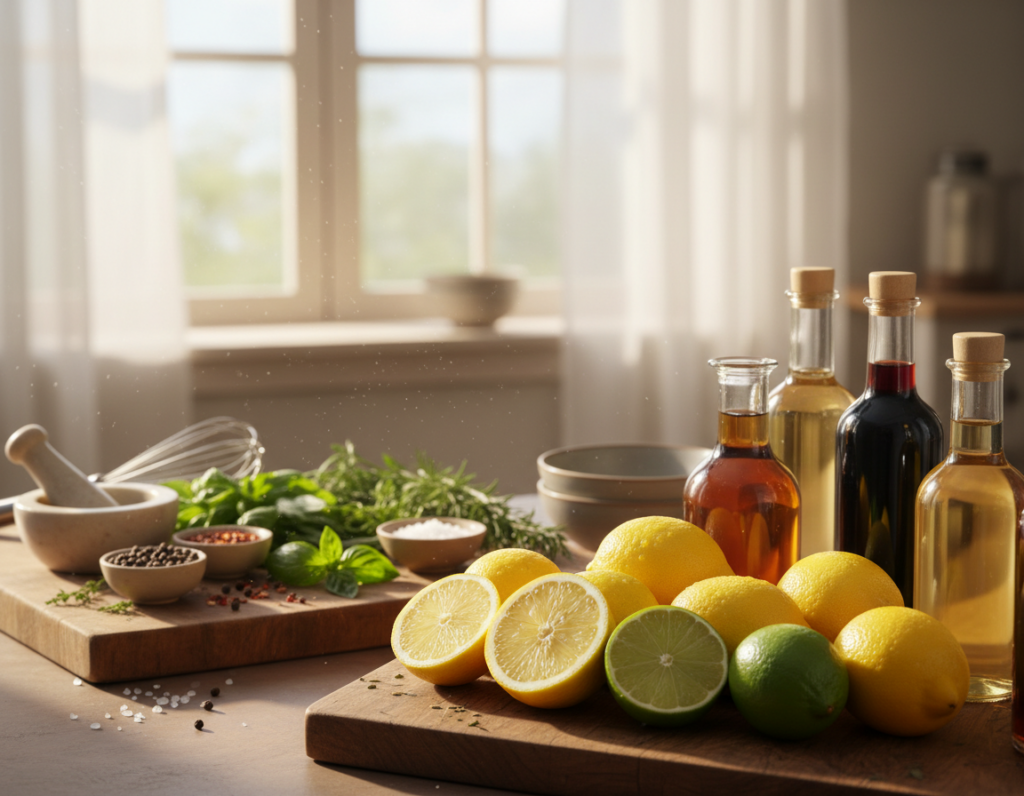
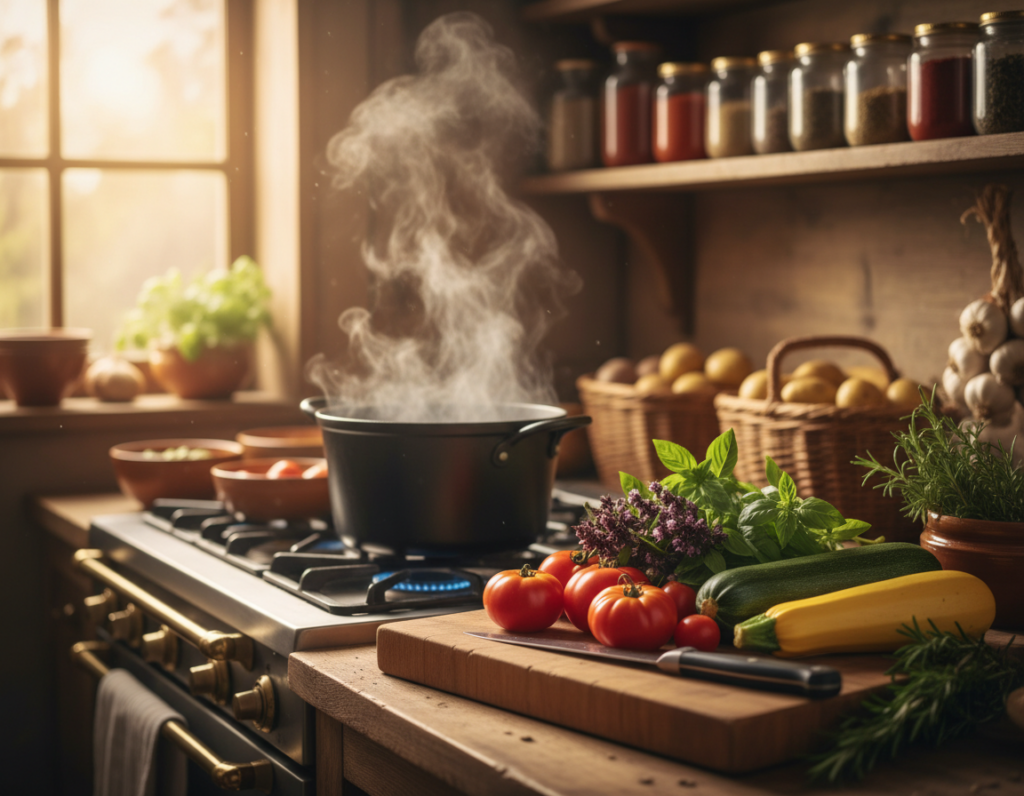
This post introduces a garlic and onion cooking base that acts as the backbone for weeknight meals across the United States. You will learn why these aromatics add depth, savory richness, and aroma to soups, sauces, marinades, rubs, dips, and dressings.
The guide shows a clear, repeatable recipe you can scale. Start by sautéeing in olive oil to pull sweet and savory notes. This method helps build layered savoriness before you add tomatoes or other elements.
Make one simple sauce-like base and repurpose it across pasta, soup, pizza, and more. Optional tweaks, like caramelized onions, change texture and intensity without extra effort.
Expect technique tips and flexible ratios. One batch becomes a time-saving shortcut that supports many recipes. The goal is practical steps, so you can cook smarter and enjoy better results every night.
Why Garlic and Onion Are the Flavor Base in Everyday Cooking
A simple pair of aromatics changes a plain pot into a rich, savory dish in minutes.
Aromatics are ingredients that release scent and depth early in a recipe. They make soups, sauces, marinades, and rubs taste finished even when you start with few components.
What aromatics add
Depth and savory richness: Small amounts of onions and garlic build a steady savory backdrop. Add them early for a mellow, rounded result or later for a sharp, punchy finish.
Choosing your format
Fresh cloves and heads give cleaner, brighter aromatics. Powders spread fast. Granules give bursts. Dried flakes add sweet-savory notes without extra moisture.
“Fresh peeled garlic often tastes cleaner than pre-minced versions from a jar.”
| Format | Texture Effect | Best Use |
|---|---|---|
| Fresh cloves / head garlic | Softens with heat; layered depth | Sauces, simmered bases |
| Powders & granules | Quick dispersion; sharper bursts | Dry rubs, quick pan sauces |
| Dried flakes | Chewy bits; sweet-savory lift | Soups, sprinkling finishes |
Selection tip: Choose red for punch, sweet brown for balance. Use fresh when you’ll simmer long; reach for dried seasonings when time is tight.
Garlic and Onion Cooking Base Recipe With Olive Oil and Tomato
Start with ripe Roma tomatoes, a small pile of peeled cloves, and a few mild bulbs to make a versatile tomato-forward sauce. This recipe yields a multipurpose sauce that stores well for busy weeknights.
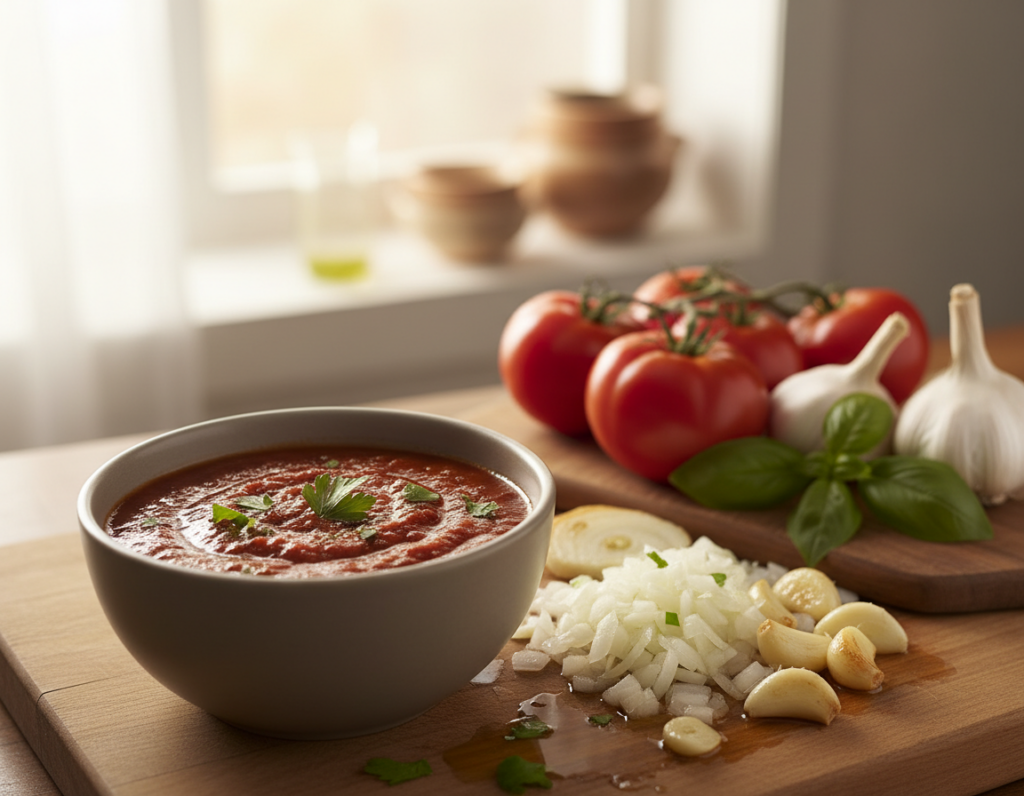
Ingredients to prep
Use fresh tomatoes (Roma or vine), sweet or brown bulbs, freshly peeled cloves, 2 tablespoons olive oil, salt, pepper, and 1 teaspoon sugar. Tomato quality and onion variety most affect flavor.
Prep for consistent texture
Pulse the bulbs and cloves in a food processor to a uniform size so the mixture cooks evenly without going watery or too chunky. Consistent size helps the sauce meld smoothly.
Tomato technique
Blend tomatoes, then strain the puree to remove bitter seeds. Straining makes the tomato sauce smoother and lowers harsh acidity.
Sauté and simmer steps
In a pan, heat olive oil on medium-high. Fry the processed bulbs and cloves about 5 minutes until they begin to change color.
Add strained tomato puree, a pinch of sugar, salt, and pepper. Cover and simmer on medium heat for about 20 minutes so flavors blend and the raw edge fades.
Balancing and storage
A tiny amount of sugar rounds acidity—use it sparingly with less-sweet tomatoes. Cool to room temp, refrigerate up to 5 days, or freeze up to 3 months in quart bags.
Example batch: 9 tomatoes, 3 bulbs, 9 cloves, 2 tbsp olive oil, 1 tsp sugar — yields about two quart bags. For a classic mirepoix-style start, see the soffritto method.
Flavor Variations: Caramelized Onions, Butter Swaps, and Seasoning Boosts
Turn mild raw ingredients into a silky, savory-sweet layer with low, steady heat.
Quick method: Slice sweet yellow bulbs thin, warm a pan with a splash of olive oil on medium-low heat, and cook for about 30 minutes. Stir often so the pieces brown evenly without burning.
Speed and technique
When the pan begins to stick, add a little water—1 to 2 tablespoons—to deglaze and lift browned bits. This both prevents scorching and accelerates caramelization.
Garlic timing and intensity
Add a whole head garlic or several peeled cloves early to mellow and sweeten their profile. For a punchier top-note, introduce minced pieces near the end of the final step.
“If the flavor runs sharp, balance with fat, acid, or a pinch of sweet.”
- To deepen sweetness: keep cooking until jammy, then fold into the tomato base.
- Fast fixes for harshness: stir in butter, a splash of vinegar or lemon, or a teaspoon of sugar or honey.
- Use toasted dried spices in oil to round sharp edges before adding liquids.
How to use it: Stir caramelized veg into your sauce for richness, or reserve as a topping to add texture and concentrated flavor.
For an oven method that yields very sweet results, try this oven caramelized onions recipe.
How to Use Your Base in Sauces, Pasta, Pizza, Soup, and Dips
Turn one jar of the red sauce into dozens of weeknight meals with a few simple tweaks. Warm it gently, thin with stock or pasta water, and finish with a pat of butter or a splash of cream for richness.
Tomato sauce shortcuts for fast pasta
Heat the sauce over low heat until glossy. Adjust thickness with reserved pasta water for silky texture.
Add cooked ground beef, lentils, or a handful of frozen peas to make a fuller meal in minutes.
Soup upgrades that echo onion soup
Stir the sauce into a pot of stock to make a quick soup base.
Layer in caramelized onions for a rich, onion soup-style flavor without long simmering.
Pizza, sandwiches, and salad add-ins
Use the sauce as a pizza spread, a topping drizzle, or a sandwich smear.
Whisk it with olive oil and vinegar for an instant salad dressing that carries onion and garlic notes.
Dip ideas and recipe categories that love this prep
- Blend into hummus or yogurt for warm, savory dips.
- Reduce it until thick to serve as a spread for toast or burgers.
- Works well in stews, sheet-pan bakes, roasted vegetables, and marinades.
“Warm gently and taste before serving—concentrated flavors often need a final salt adjustment.”
| Use | Quick tweak | Best pairing |
|---|---|---|
| Pasta | Thin with pasta water; add cheese | Spaghetti, penne, fresh basil |
| Pizza | Use as sauce or drizzle; top with caramelized onions | Vegetables, sausage, roasted chicken |
| Soup / Stew | Mix with stock; fold in caramelized onions | Beans, root vegetables, seared meats |
| Dips & Salads | Blend into yogurt or whisk with oil/vinegar | Hummus, grain salads, toasted bread |
Conclusion
Key takeaway: Mastering a simple tomato-forward sauce puts better flavor on the table fast.
Summary: This recipe saves time and makes weeknight meals taste richer with minimal fuss. Keep pieces a consistent size so everything cooks evenly. Strain seeds for a smoother finish and sauté before simmering to deepen the profile.
Balance tips: Taste at the end and adjust salt first. Use a pinch of sugar only to round sharp acidity. If a head of fresh aromatics tastes brighter than a jarred product, choose fresh when you can.
Storage & planning: Cool sauce to room temperature, then refrigerate up to five days or freeze for up to three months. Stash jars or bags in the fridge for quick meals and save extra time by portioning before freezing.
Pick one use this week—pasta, pizza, or soup—then tweak ingredients to suit what you have. Keep the core steps consistent and the flavor will stay reliable every time.