Goal: This short guide helps you keep a crisp-tender bite in your veggies while preserving color and everyday nutrition. You will learn simple rules that steady results in home kitchens.
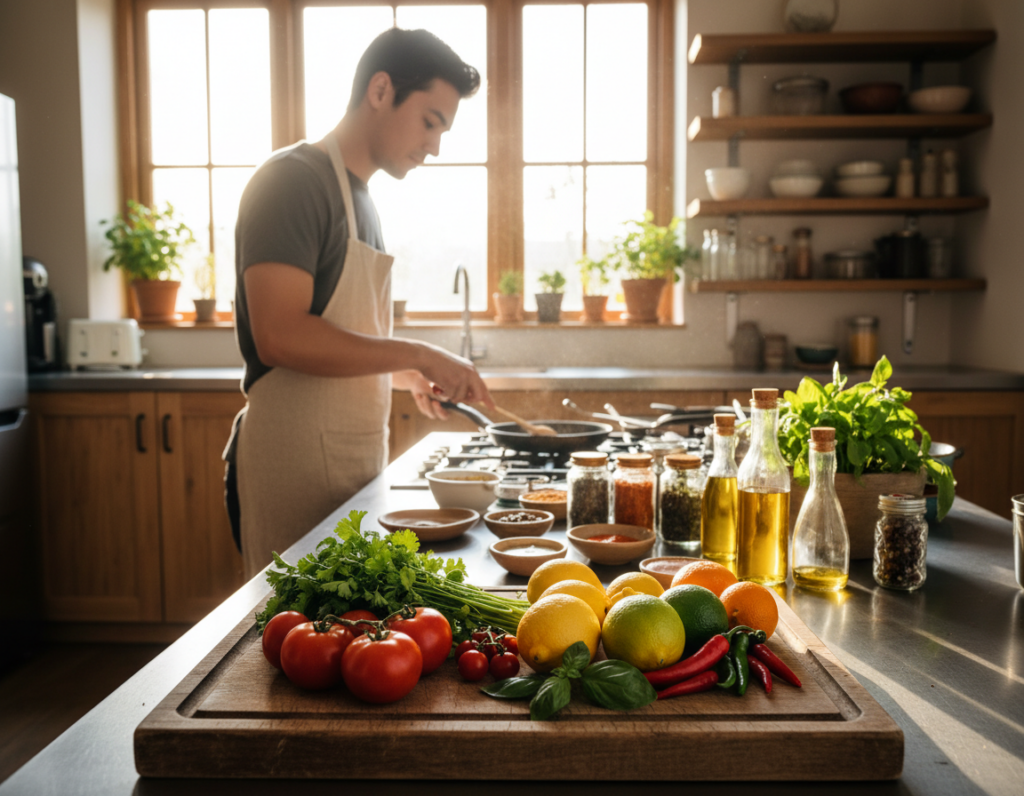
Start with the best produce, store it right, wash well, and cut pieces evenly. Keep skins on when suitable and prep near the time you will heat them.
Practical meaning: control time, limit water, use the right heat, and stop at the right moment. These steps protect texture, flavor, and hue.
We preview main methods: steam-style simmering, boiling done right, quick sauté or stir-fry, and microwave for speed. Each method fits a different kind of vegetable and result.
Flavor basics: a little oil, a quick hit of garlic, and a finish of olive oil add taste without drowning texture. Minimal liquid and short cooking time also keep more nutrition.
Expect brighter greens, firmer roots, and steady texture in mixed pans when cuts and timing match the method.
Why Vegetables Turn Mushy and How to Prevent It
The difference between bright, firm pieces and a limp pile is almost always timing. Overcooking past crisp-tender collapses cell walls, drains color, and dulls flavor.
What crisp-tender looks like: a slight bite, vivid color, and a clean snap on firm items. Go a minute or two beyond that and texture softens; greens fade and roots like carrots lose bite.
Too much water plus too much time is the fastest way to end up with soggy veggies. When pieces sit in hot liquid they leach flavor and swell, which ruins mouthfeel.
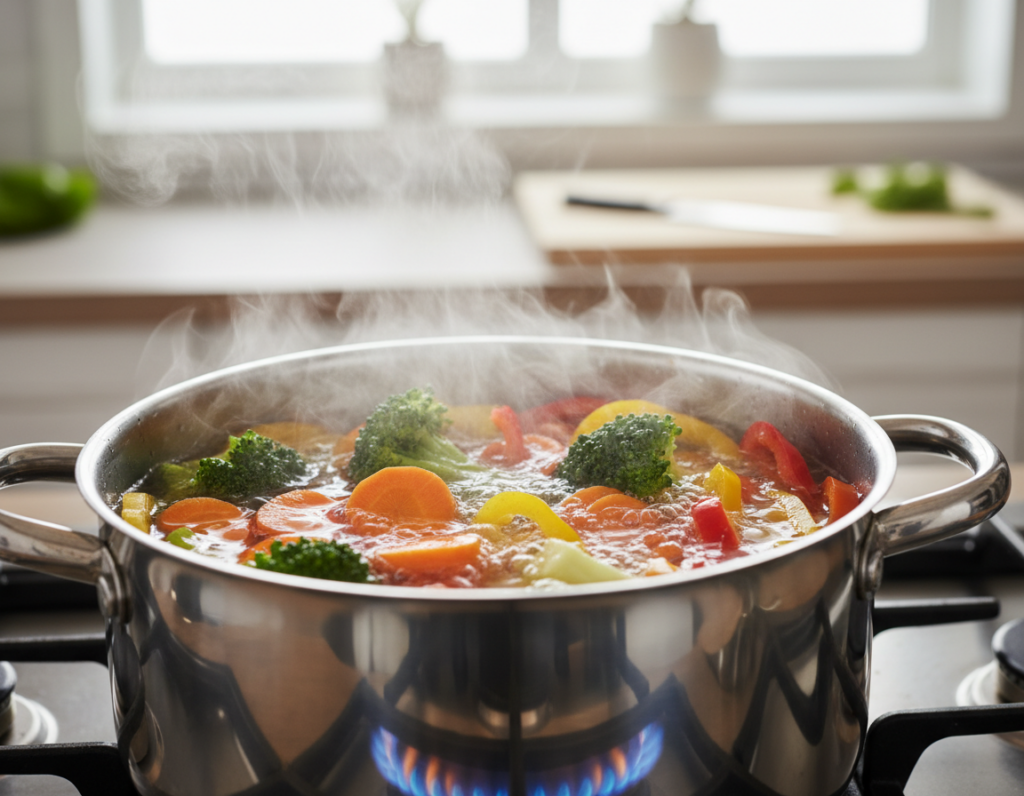
Vigorous boiling adds another risk. Constant agitation bangs pieces together, wears edges down, and can turn softer items into fragments. A gentle simmer keeps shape while finishing cooking.
- Different vegetables behave differently, but the prevention method is the same: control time and limit water exposure.
- Seasoning matters: adding salt too early can draw out moisture; often it’s better to finish with seasoning for best texture and flavor.
Next step: prevention begins before heat—fresh produce, even cuts, and setup cut down on overcooking mistakes and help you hit crisp-tender every time.
Prep Steps That Help You Cook Vegetables Properly Every Time
A crisp finish is planned, not accidental; it relies on freshness, cuts, and timing. Start by choosing firm, blemish-free produce. Crisp items have stronger cell walls, so they hold up better during cooking and finish firmer than older stock.
Choose and store for freshness
Quick tip: refrigerate roots and most greens, keep leafy items slightly drier, and avoid leaving cut pieces exposed. Proper storage preserves that starting texture and gives you a forgiving margin at the stove.
Wash and prep near cook time
Scrub vegetables with skins on, then prep close to when heat will start. Washing and then sitting while wet can waterlog pieces; prepping too early can dry edges and accelerate wilting.
Cut uniform sizes
Even pieces mean even heat exposure. Match cut size to method so you won’t overcook smaller bits while waiting for the largest piece to finish.
Skin-on rule and thin peeling
Keep skin when sensible—it adds structure and retains nutrients. If peeling is needed, peel thinly and evenly.
Mise en place checklist
- Pot and lid ready
- Pan preheated if sautéing with a little oil
- Timer set
- Fork or knife for quick doneness checks
Follow a recipe for quantities, but let these fundamentals—cut size, heat control, and time—guide your technique across methods.
Best Cooking Methods for Texture and Nutrition
Decide whether you want fast crunch, steady hands-off results, or large-batch consistency. That choice guides the best way cook vegetables and keeps nutrition and color intact.
Steam-style simmering
Use a small splash of water and a tight lid. Trap steam, watch time, and stop at crisp-tender.
Why it works: steam cooks evenly and protects nutrients by limiting water contact.
Boiling done right
Use 2–3 cm of lightly salted water for boiling starts. Cover to return to a boil quickly, then lower heat to a gentle simmer.
This avoids agitation and keeps pieces whole—perfect for batch prep when timing is strict.
Sautéing and stir-frying
Preheat the pan, add oil, briefly bloom garlic, then add dense items first. Work quickly so color and crunch stay strong.
Microwave technique
Cut uniform pieces, arrange thicker ones at the outside, use minimal water, and cover. Stop early; carryover heat finishes cooking in 2–4 minutes.
Seasoning timing
Salt after cooking for many greens and beans to reduce moisture loss. Finish with olive oil, pepper, herbs, or a light sauce for extra flavor without extra simmering.
“Cook in the smallest amount of liquid and for the shortest time that achieves desired tenderness.”
| Goal | Best method | Quick tip |
|---|---|---|
| Maximum crunch | Sauté or microwave | High heat, short time; add garlic for flavor |
| Hands-off consistency | Steam-style simmer | Small water, lid on, stop at crisp-tender |
| Batch prep | Boiling done right | 2–3 cm water, return to boil, then simmer gently |
| Bright greens | Quick uncovered heat or brief sauté | Skip lid for vibrant color; salt after cooking |
Boiling and Simmering Rules: Cold-Water Start vs Boiling-Water Start
A clear rule separates dense roots from leafy stems: items that grow below the ground usually go into cold water, while above-ground greens and stems belong in a rolling pot.
Why start temperature matters: dense, starchy items need gentle heat so the outside does not over-soften before the center cooks. This keeps texture steady and prevents a mushy finish.
Cold-water start for below-ground vegetables
Put beetroot, celeriac, carrots, parsnips, potatoes, swedes, turnips, yams, and similar roots into cold, lightly salted water in a pot. Cover, bring the water quickly to a boil, then lower the heat and simmer gently until done.
Boiling-water start for above-ground vegetables
For asparagus, broccoli, Brussels sprouts, cauliflower, green beans, peas, and leafy greens, add pieces to boiling water. Use about 2–3 cm of lightly salted water for many of these so heat concentrates and cooking is fast.
Simmering vs boiling: once the pot returns to a boil, reduce heat to a gentle simmer. Vigorous boiling can break pieces up and leach flavor.
Lid strategy and color: cover most pots to cook efficiently, but leave green items uncovered when bright color is the top priority and timing is tight.
Quick troubleshooting: if liquid drops too low, top with more boiling water rather than cold. Adding cold water mid-cycle slows cooking and harms texture.
Cooking Times and Doneness Cues for Common Veggies
Timing and density set the beat for a perfect bite—thin leaves finish in minutes while dense roots take longer.
Plain logic: denser items hold less water and need longer heat to soften. That is why carrots require more minutes than spinach even when cut the same size.
Quick ranges by texture
Leafy greens (bok choy, spinach, kale): 3–5 minutes.
Firm items (broccoli, green beans, Brussels sprouts, cauliflower, peas): 8–10 minutes.
Hard roots (carrots, parsnips, pumpkin, turnips): 12–15 minutes.
Starchy tubers (kumara, potato, swede): 18–20 minutes.
Targets for crisp-tender
For green beans, broccoli, Brussels sprouts, cauliflower, and peas aim for a tender inside with slight resistance. Pieces should not collapse.
Simple doneness test
Use a skewer, the point of a knife, or a fork. Stop when the tool slides in with light resistance. That moment beats waiting until the piece falls apart.
Mixed pans and microwave tips
When mixing, start dense pieces first and add quick-cooking items later so all finish together.
Microwave timing varies with size, quantity, moisture, and wattage. Remember vegetables keep cooking 2–4 minutes after heat stops; stop early and let carryover finish the job.
Finish for flavor: toss with a little oil, cracked pepper, or a light sauce after cooking rather than prolonging heat. This preserves texture, flavor, and nutrition.
| Texture group | Typical time (minutes) | Doneness cue |
|---|---|---|
| Leafy greens | 3–5 | Bright color, soft stems, slight bite |
| Firm vegetables | 8–10 | Tender center, slight resistance |
| Hard vegetables | 12–15 | Soft when pierced, holds shape |
| Starchy tubers | 18–20 | Knife slides through with no gritty core |
Conclusion
Keep one rule in mind: use the least water, the shortest time, and stop at crisp-tender. This protects texture, color, and everyday nutrition.
For starting temps, follow two clear rules: below-ground items begin in cold water; above-ground items go into boiling water. Let a gentle simmer finish most pieces—vigorous boiling breaks them down fast.
Finish strong: drain well, season after cooking when that helps retain moisture, and toss with olive oil, cracked pepper, or a quick garlic oil warmed in a pan for extra flavor without added time.
Use doneness cues (fork, skewer, bright color) instead of strict minutes. Pick one method—steam-style simmering, a quick sauté in a pan, or the microwave—and try it on one kind of veggie this week.
For more on the best way, see the best way to cook vegetables.