This short batch cooking guide explains how to save time and stress in the kitchen. You’ll learn what the method is, why it cuts weeknight chaos, and how to begin without fancy tools.
Start simple: cook larger portions now and use them later. That can mean freezing full meals, storing uncooked freezer meals, or prepping flexible components like rice, beans, and shredded chicken.
No special gear required. Basic pots, freezer bags or containers, and a marker are enough to get going. The aim is to shift effort to one session so you save time on busy evenings.
This approach solves the present-tense problem of decision fatigue and the nightly “what’s for dinner?” rut. It is not all-or-nothing—freezing leftovers a few nights a week still builds momentum.
Ahead: planning, simple workflow, beginner foods, safe storage, and quick assembly ideas so you can pick the approach that fits your life.
What Batch Cooking Is and Why It Works for Busy Weeks
Cook once to create flexible components that you can remix into different dinners. In plain terms, this means preparing larger quantities of food or parts of meals at one time, then storing portions for later.
Simple example: make a big pot of rice at the start of the week. Reheat portions as needed to build tacos, bowls, or a quick side for dinner.
This differs from traditional meal prep, which often produces identical lunches day after day. Instead, the focus here is on mix-and-match building blocks — grains, proteins, veggies, and sauces — that let you assemble varied meals without new cooking.
- Reduces decision fatigue: on a busy day, dinner becomes assembly, not a full cook session.
- Flexible planning: pick versatile ingredients you can reuse across bowls, soups, salads, and tacos.
- Do it your way: one weekend session or doubling recipes midweek both work for this system.
The Big Benefits of Cooking in Bulk
Make more meals with less nightly effort. When core components are ready, you trade full cooks for quick assembly. That helps you save time and reduce evening stress.
Save time on weeknights
Fewer nights of chopping, sautéing, and cleanup mean more free minutes. Doubling a recipe once often beats cooking the same thing twice.
Save money and shop smarter
Buying larger packs at the warehouse or on sale lowers per-unit cost. You also cut impulsive store runs and extra grocery trips.
Reduce food waste
Assign ingredients to planned meals so veg and proteins don’t rot in the fridge. Labeled portions help avoid mystery leftovers.
Support healthier dinners
When ready-to-reheat meals are available, takeout loses its appeal. Freezing keeps nutrients largely intact; texture may shift, but the meal remains wholesome.
| Benefit | Practical result | Real-life payoff |
|---|---|---|
| Time saved | Fewer full cooks per week | More evenings free for family or rest |
| Money saved | Bulk buys, fewer store trips | Lower grocery bills |
| Less waste | Planned use of ingredients | Fewer tossed items |
| Healthier meals | Home food ready fast | Better choices most nights |
Overall: this approach simplifies life, cuts routine decisions, and frees you from small daily things that add up.
Batch Cooking Methods You Can Use Right Away
Decide which approach matches your freezer and schedule, then begin. Below are three practical methods and a simple task-level option so you can pick one way to start this week.
Cooked whole meals you freeze
Make full dishes—casseroles, enchiladas, or chili—cool them, then freeze in meal-sized containers.
Good examples: stuffed peppers, white chicken chili, layered casseroles, and baked enchiladas.
Uncooked “dump dinner” freezer meals
Assemble ingredients in a flat freezer bag. Thaw in the fridge and dump into a slow cooker or onto a sheet pan to finish.
Batch components for flexibility
Cook grains, beans, shredded chicken, or ground beef in a big batch and portion them for freezing. These building blocks make fast meals later.
Task batching
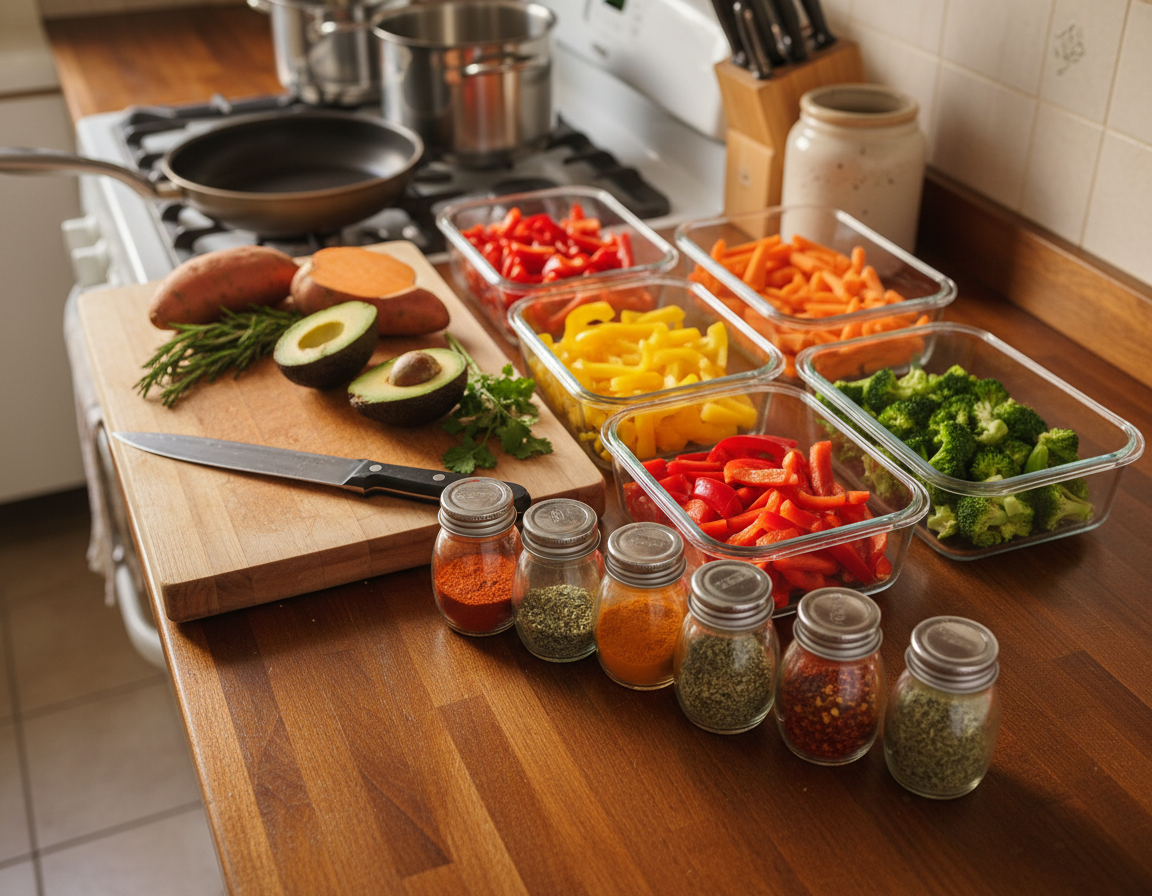
Wash and chop veggies once, then store them ready-to-use. Small prep sessions cut weekday time dramatically.
| Method | Best for | Storage tip |
|---|---|---|
| Cooked meals | Ready-to-reheat dinners | Use shallow containers to cool faster |
| Dump dinners | Limited prep, later cooking | Freeze flat in labeled bags |
| Components | Most flexible for many dishes | Portion into meal-sized packs |
Whichever one you’ll actually do matters more than perfection. Choose by freezer space, containers, and whether you want ready-to-eat or ready-to-cook options.
Batch Cooking Guide to Planning Your First Session
A simple framework keeps your first big session focused and doable. Use a short checklist so you don’t overcommit and still end the day with useful meals.
The “1-2-3” approach
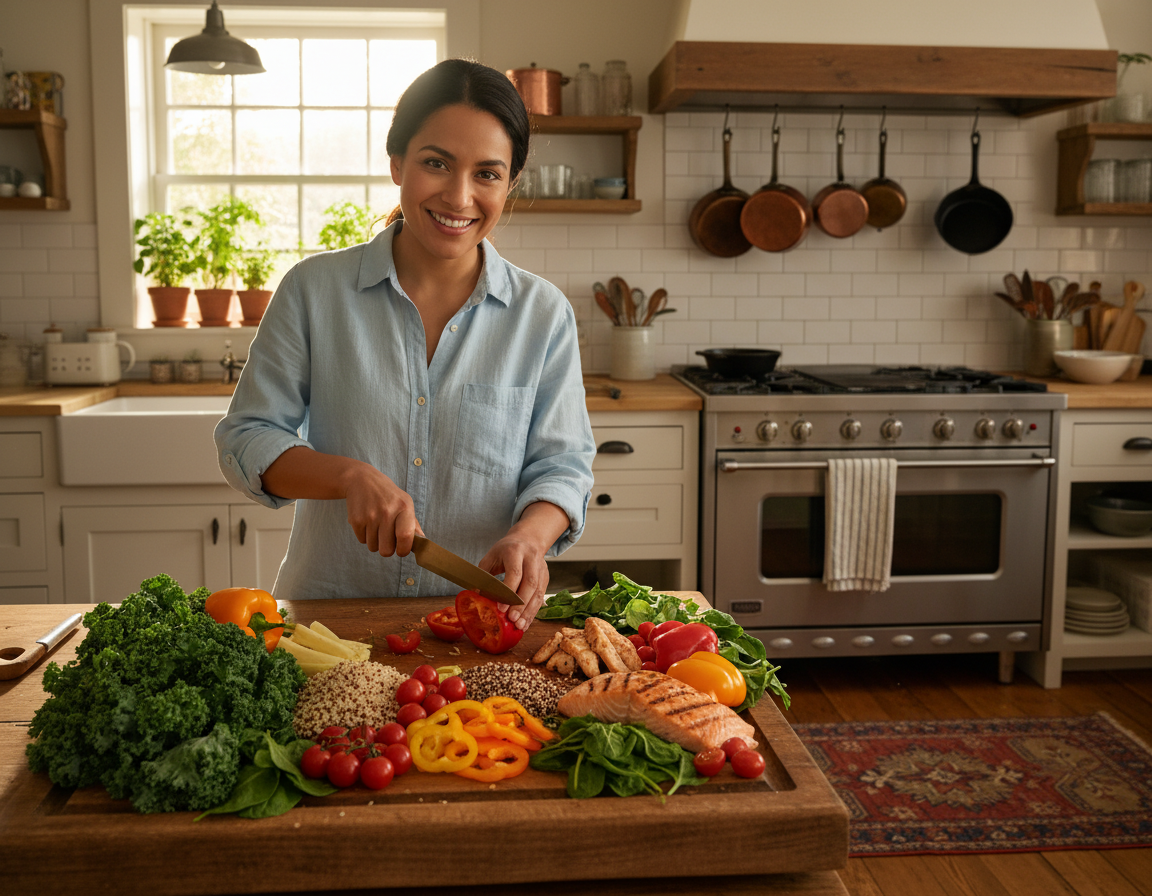
Pick one grain, two proteins, and three vegetables. Choose rice or quinoa as the grain — they work in bowls, soups, and sides.
For proteins, pick contrast: shredded chicken plus lentils or ground beef plus beans. That variety keeps dinners interesting.
Building a grocery list that works
Check your pantry first to avoid buying duplicates of spices, oils, or staples.
Write exact quantities and group items by aisle on your grocery list. That saves time and stress at the store.
Choose recipes that share steps
Favor meals that use the same sheet pan or a shared sauce and spice mix. This reduces chopping and dishes.
Portion for your family: plan for dinner plus one lunch so your big batch effort covers two meals and feels worth it.
Smart Batch Cooking Workflow in the Kitchen
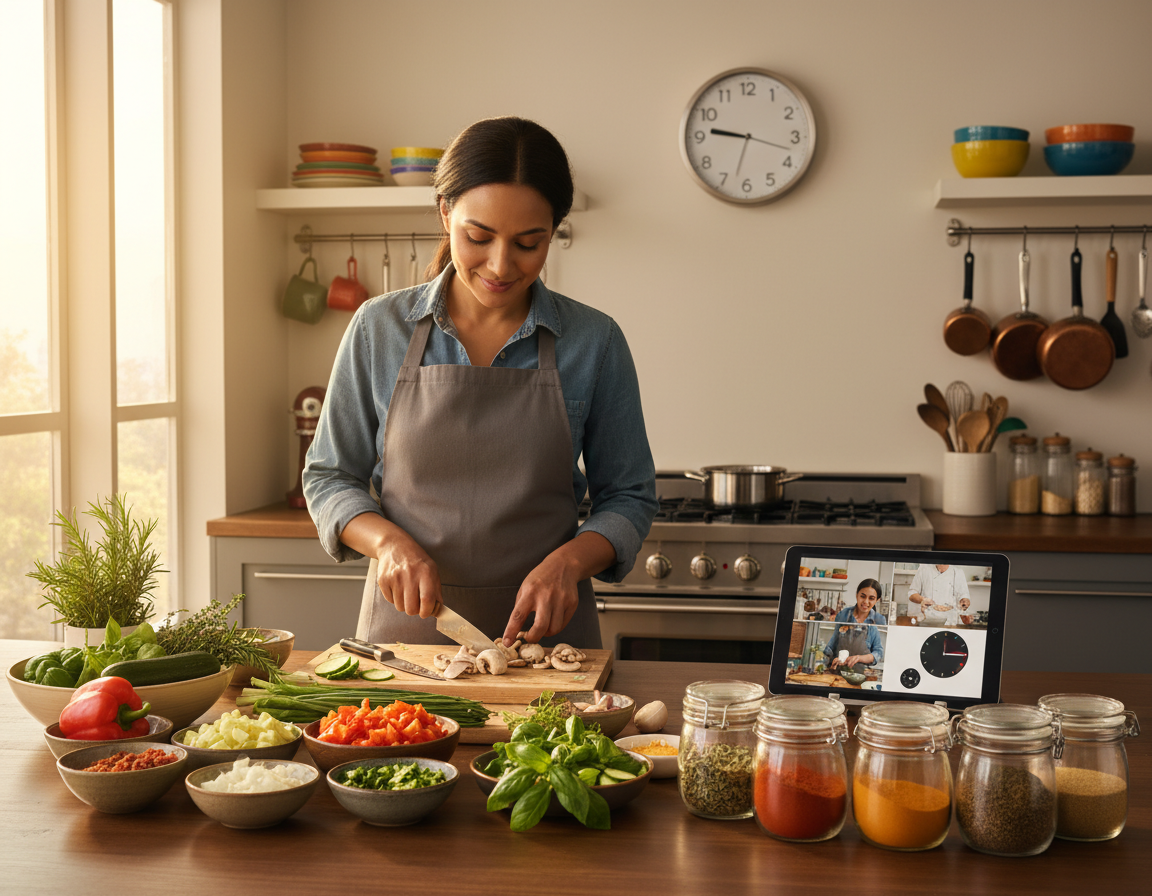
Set your kitchen up like a small production line and let long-simmering items run while you prep everything else. This way you save time and reduce frantic mid-session decisions.
Start with hands-off pots and devices
Put grains, dried beans, or a slow cooker on first. Use an Instant Pot or slow cooker to free up stove time and attention. While they run, move on to chopping and seasoning other ingredients.
Use the oven the smart way
Adopt a sheet pan strategy: roast a large tray of vegetables and an optional protein together. One hot oven run yields multiple sides or meals with minimal active work.
Cook once, eat twice
Double soups, chilis, or casseroles so you bank future dinners without doubling effort. Simple seasonings and repeatable steps keep the process beginner-friendly.
- Start long tasks first, then prep the rest.
- Do mise en place: wash, chop, and measure before heating.
- Clean as you go to cut end-of-day work.
| Operation | Best for | Quick tip |
|---|---|---|
| Slow cooker | Beans, stews | Low hands-on time |
| Sheet pan | Roasted veggies | Batch multiple trays |
| Doubling recipes | Soups & casseroles | Freeze half for later |
Mindset shift: treat the day as one efficient session rather than many small tasks. Over weeks, the routine gets faster and keeps more nights stress-free.
What to Batch Cook First: Beginner-Friendly Foods That Reheat Well
Pick a few reliable foods first so you get quick wins and avoid burnout. Start with ingredients that keep texture and flavor after chilling or freezing. That helps you feel successful early and makes evening meals faster.
Grains and starches
Cook family-sized pots of rice and quinoa. Portion them into meal-sized packs for bowls, soups, or sides.
Roast or bake sweet potatoes whole or cubed. They reheat well and work in salads, bowls, or as a standalone side.
Proteins that multiply meals
Make large batches of shredded chicken—it’s a base for tacos, salads, and casseroles. Cook and portion ground beef for quick pasta and taco nights.
Crumble and brown a bit of breakfast sausage for fast morning meals and savory bowls.
Legumes for budget-friendly bulk
Prepare pots of black beans, lentils, and chickpeas. These foods add protein and fiber to bowls and soups.
Lentils work well cold in salads or hot in stews, so they are especially versatile.
Freezer-friendly veggies and breakfast wins
Freeze roasted onions, bell peppers, green beans, and cubed sweet potatoes. These veggies thaw quickly and become fast sides or mix-ins.
For mornings, make waffles, muffins, and individual burritos to store in the freezer. Build smoothie packs (fruit and greens in a bag) so you can blend with liquid for grab-and-go breakfasts.
Pro tip: start with just 3–5 core items this week. That small set of reliable staples will cover several dinners and keep the process manageable while you learn what works for your household.
Freezer, Fridge, and Container Basics for Batch Cooking Meal Prep
How you pack and label food matters as much as how you make it. Smart storage keeps dinners ready, saves space in the freezer, and makes lunchtime simple.
Portions that actually fit your week
Store amounts that cover one dinner plus the next-day lunch. That prevents midweek shortages and needless extra prep.
For a family of four, portion grains and proteins in meal-sized packs. Start with 1–1.5 cups of cooked rice per person and adjust over time.
Container options and practical trade-offs
Freezer bags save space: lay flat to freeze, then stack for fast thawing. They beat baking dishes when freezer room is tight.
Baking dishes are oven-ready for reheating big casseroles. Airtight, clear containers win for fridge organization and quick inventory checks.
Labeling, dating, and steady habits
Use a simple label format: item + date + portion size (+ reheating note). Consistent sizes make it easy to count what you have at a glance.
In short: pick a small set of container sizes, freeze flat when possible, and label everything. Good storage is the backbone of successful batch cooking meal prep.
Food Safety Rules for Cooking Meals Ahead
A few clear habits make preparing food ahead safe and simple. Follow them and your fridge and freezer will hold reliable dinners without worry.
The two-hour rule and the danger zone
Do not leave cooked food at room temperature more than two hours. Bacteria grow fast between 40°F and 140°F, so the two-hour rule keeps food out of that danger zone.
Cool big batches faster
Split soups, grains, and proteins into shallow containers so heat escapes quickly. Smaller portions reach safe temperatures faster than a single large pot.
Never place a large, very hot pot directly into the fridge; let it cool slightly, then divide and chill.
When to refrigerate vs freeze
Refrigerate items you’ll use within a few days — most cooked components keep 3–4 days in the fridge. Freeze anything you won’t eat within that time.
Thaw frozen meals in the refrigerator whenever possible to keep temperatures safe during the thawing time.
- Label and date every container so older items don’t get forgotten.
- When unsure, follow USDA-style caution and toss food past its safe time.
How to Turn Big-Batch Ingredients Into Fast Dinners Every Night
Use building blocks from your fridge and freezer to make fast, varied dinners every evening. The idea is to combine pre-cooked components with one fresh element so you can assemble a meal in ten minutes.
Mix-and-match meal formulas
Simple formulas let you skip recipes and still eat well. Try these quick combos:
- Grain bowl = grain + protein + roasted veg + sauce.
- Tacos = protein + quick slaw + salsa + lime.
- Salad = greens + protein + roasted veg + vinaigrette.
- Soup = broth + pre-cooked ingredients + fresh herbs.
- Sandwich/wrap = bread + protein + crunchy veg + spread.
One batch of shredded chicken, many meals
Shredded chicken shows how one cooked protein fuels different dinners across the week. Use it for tacos early, make a chicken-and-vegetable soup midweek, then pull it into barbecue sandwiches later.
Keep variety high with small switches
Alternate the same core ingredient on different days to avoid boredom. Change sauces, marinades, or spices, and switch formats — a roasted carrot can be a side one night and a blended soup the next.
| Strategy | Example | Why it works |
|---|---|---|
| Switch the format | Roasted veg → side, then soup | Makes familiar ingredients feel new |
| Flavor rotation | Mexican spices → BBQ sauce → curry | Different profiles from same protein |
| Freezer rotation | Freeze half now, half for later | Space out larger meals across the week |
In this way, when your fridge and freezer are stocked, you can plan dinners around what you already have and spend less time deciding each night.
Conclusion
A small, regular prep habit turns nightly decisions into quick assemblies. Start with one grain, one protein, and one vegetable this week. That single win builds confidence and reduces evening stress.
Choose one day to prep, make a short list, and try a simple sheet pan + grain plan. You can prepare whole meals, ready-to-finish packs, or just prep tasks—the result is the same: more time and fewer last-minute store runs.
Portion for dinner plus lunch, label containers, and freeze extras. For more practical ideas, see batch cooking tips. Do what you can repeat—small routines deliver the biggest return: less decision fatigue and more home-cooked meals that fit your life.