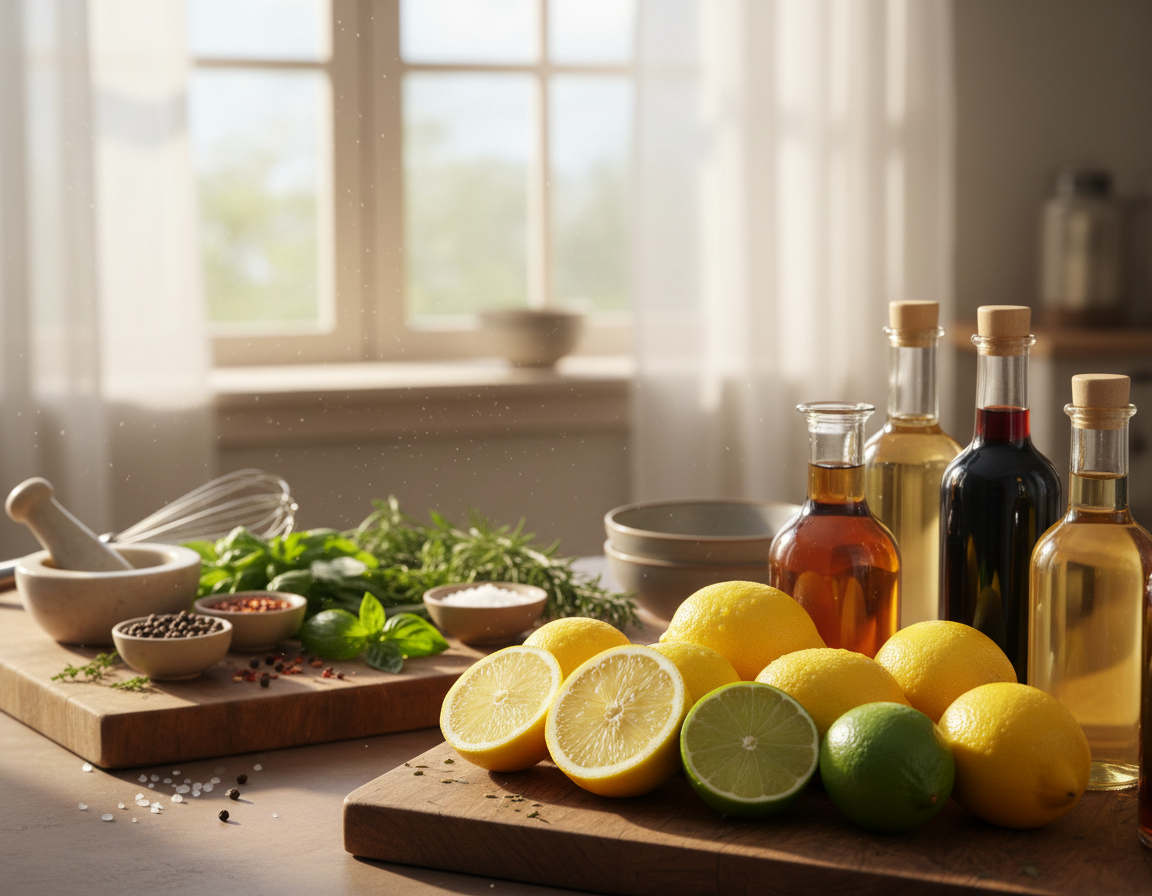
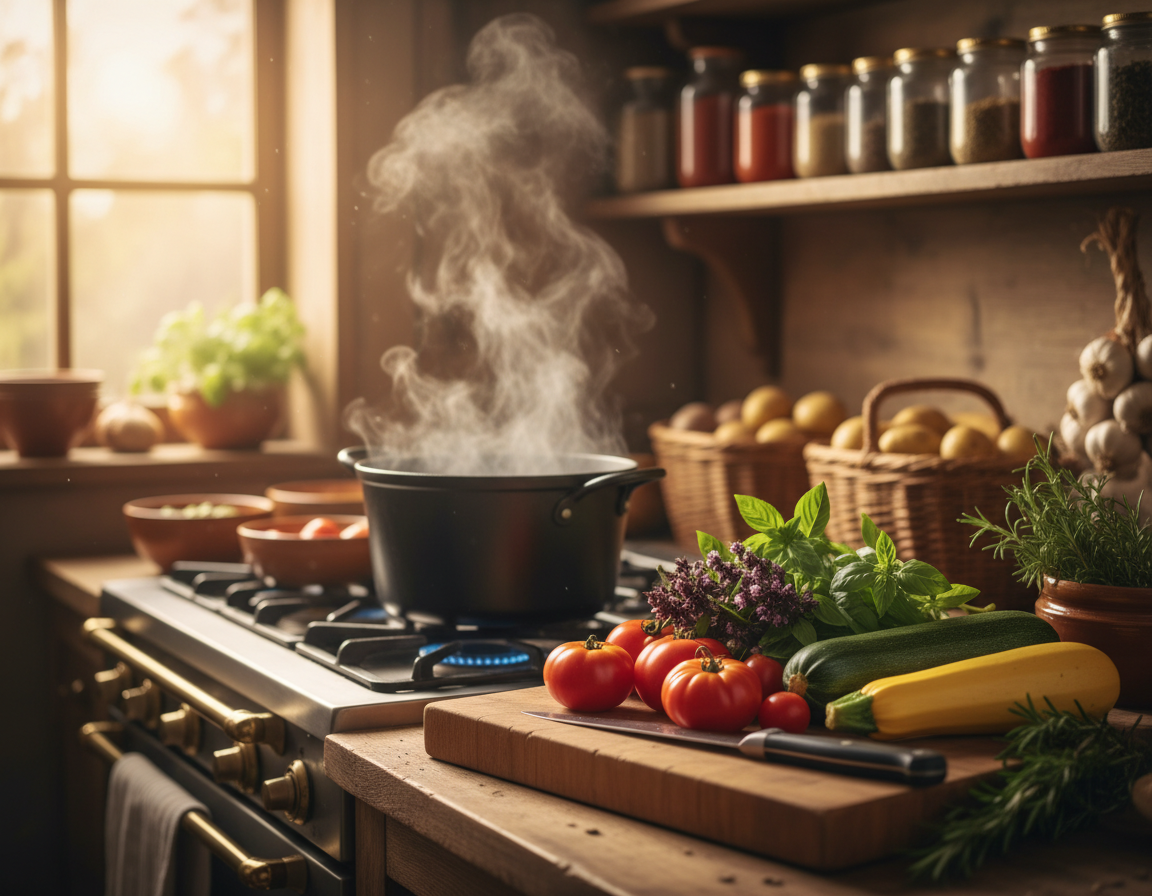
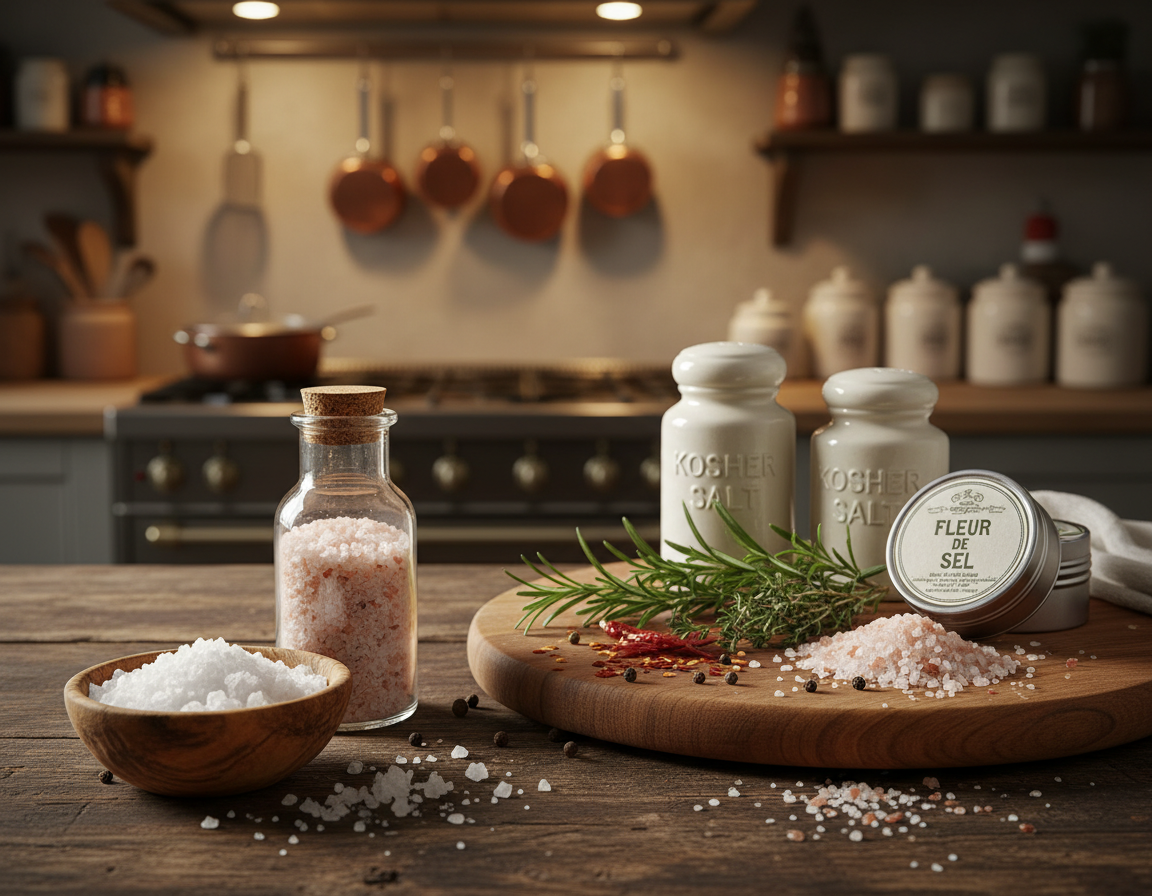
Great meals start with the basics. Think of fresh produce, good proteins, and trusted pantry staples as the building blocks that shape taste, smell, texture, and nutrition. Even a perfect recipe will fall short if those blocks are weak.
This section outlines what to expect. We’ll cover flavor, aroma, texture, nutrition, cost and storage — and how U.S. shopping realities change choices today. You’ll learn how herbs, spices, oils, produce, and proteins layer flavor in different ways.
In practical home terms, choose fresher, well-sourced, and minimally processed items so the final plate tastes clearer and cooks more predictably. Learn to spot value at a grocery or farmers’ market, and why frozen can sometimes outshine so-called fresh picks.
Safety and sourcing matter. Read labels for safer supply chains, especially with spices and processed goods. With better inputs, simple meals can feel restaurant-level and give you a richer food experience at home.
Why ingredient quality matters more than the recipe alone
The leap from a good home meal to a restaurant-level plate often begins before the pan heats up. Many restaurants start with consistent, high baseline supplies. That steady start lets simple techniques produce outstanding results.
The practical difference is freshness, supplier consistency, and baseline flavor. At home, the same recipe can taste different because moisture, fat, and ripeness vary between batches. Chefs reduce variables by choosing reliable sources.
The “restaurant-quality” difference and what drives it
Restaurant-level dishes combine aromatics that pop, balanced seasoning, and items that don’t need fixes like extra sugar or heavy sauces. When components are strong, chefs tweak less and let natural flavors shine.
Quality ingredients as the foundation of consistent results
- Predictable cooking: steady moisture and fat mean repeatable outcomes.
- Fewer surprises: reliable supplies build confidence in the kitchen.
- Practical example: a simple pasta tastes brighter with better basil, olive oil, and Parmesan even if the steps stay the same.
“Freshness is often the real secret ingredient — flavor compounds fade with time.”
| Factor | Home Variable | Restaurant Approach |
|---|---|---|
| Aromatics | Inconsistent freshness | Regular deliveries, peak use |
| Proteins | Variable moisture/fat | Trusted suppliers, uniform cuts |
| Pantry staples | Stale or mixed batches | Rotation and quality checks |
Next: flavor and aroma compounds degrade over time, which is why freshness often acts as the real secret to better taste.
How quality ingredients transform flavor, aroma, and depth
A single fresh sprig or a tossed spice can lift a plate from ordinary to vivid. Small choices at the market change how aromas open, how layers build, and how long flavors linger.
Fresh herbs vs dried herbs
Fresh herbs picked at peak have more essential oils and a brighter aroma. Basil releases a lively, green top note that dried leaves often lack.
Use dried herbs for long simmers and rubs, but start with fresher items to raise the baseline freshness and overall taste.
Spice freshness and a quick sensory test
Old spices lose punch. When a jar smells weak or looks faded, the dish will read flat and may need extra salt or heat to compensate.
- Smell intensity — strong scent wins.
- Color vibrancy — faded means weaker flavor.
- Taste test — dusty or dull notes signal replacement.
Oils, produce, and meats: layering flavor and texture
Fresh oils carry and bloom aromas; good olive oil or toasted sesame lets flavors linger. Peak produce adds sweetness, acidity, and water balance. Better meats brown evenly, stay juicy, and improve mouthfeel.
“One weak link — stale spices, tired herbs, or low-grade oil — can cap the ceiling on the final dish.”
For more on why this matters, see the benefits of high-quality ingredients.
ingredient quality cooking and the impact on nutrition
Nutrient strength often follows how food is grown and handled before it reaches your plate.
Nutrient density in fresh, minimally processed foods
Minimally processed foods pack more vitamins, minerals, and beneficial compounds per bite. Think of nutrient density as a clear signal: whole fruits, vegetables, and grains give more nutrition for the same portion size.
How time, transport, and storage reduce nutritional value
In the U.S., long transit and storage can weaken vitamins and flavor. Produce labeled “fresh” may sit days before sale.
Flash-freezing soon after harvest helps lock in vitamins and taste, making frozen items a smart swap when local picks are old.
Whole grains vs. refined grains: a simple upgrade
Whole grains keep the bran and germ where most nutrients live. Refined grains remove those parts and lose fiber, B vitamins, and minerals.
- Swap ideas: brown rice, rolled oats, whole-wheat bread instead of white rice, instant oats, or refined flour.
- Small wins: upgrade one staple, buy seasonal vegetables, and aim for balanced meals that support long-term health.
“Small, repeatable changes often deliver the biggest benefits for taste and health.”
Spotting high-quality ingredients at the store or market
A quick market scan helps you spot the produce and meats that will actually shine on your plate. Use a few visual cues, label checks, and a short ingredient-list habit to shop smarter and waste less.
What to look for in fruits and vegetables
Look for color that matches the variety, firm texture that fits the ripeness, and minimal bruising or spots. Fresh stems or crisp leaves on greens and herbs signal recent handling.
Judge ripeness by touch rather than sight alone. Avoid slimy or overly soft areas. For vegetables, check for dehydration or wrinkling near stems.
Understanding common U.S. labels
Labels can point you to higher value but don’t tell the whole story. Organic usually means no synthetic pesticides; grass-fed or pasture-raised often signals better animal practices for meats and eggs. Minimally processed means fewer steps and fewer additives, but always read the packaging details.
Reading ingredient lists and shopping with value in mind
Shorter, recognizable lists often mean better flavor and fewer fillers. Scan for long chemical names, added sugars, or thickeners if you want purer products.
- Quick freshness check: smell (when possible), avoid wrinkled or dry produce, and skip slimy leaves.
- Market checklist: color true to the variety, firmness for ripeness, minimal bruising, fresh stems for herbs.
- Value tip: paying a bit more for fewer additives can reduce the need for extra seasoning later and improve the final dish.
“Decide where quality matters most for your budget — proteins, oils, and spices first; then produce as seasonal options allow.”
Sourcing practices that improve your dishes (and your cooking confidence)
Sourcing smarter lets your meals start with predictability and stronger flavor right from the market. Local and seasonal buying shortens the time from harvest to your plate. That usually means better freshness and a more intense taste.
Practical U.S. options make good sourcing simple. Farmers’ markets, CSAs, co-ops, specialty grocers, and trusted butcher shops all offer fresher picks. Reputable online spice brands with clear origin notes help when local choices are limited.
Supplier trust framework
Look for three signals: transparent origin, steady quality over time, and clear handling guidance. These prove a vendor cares about consistent results.
- Transparency about origin and season.
- Consistent product condition across visits.
- Storage and use tips from the seller.
High-impact categories to prioritize
Source meats, dairy, herbs, and spices carefully. Small differences in these areas show up strongly in final plates and affect how your timing and seasoning work in the kitchen.
| Source | Best for | Why it helps |
|---|---|---|
| Farmers’ market | Produce, herbs | Short harvest-to-home time, peak freshness |
| Butcher shop/CSA | Meats, dairy | Consistent cuts, transparent handling |
| Specialty grocer / online | Spices, pantry staples | Clear sourcing, fresher batches |
“Pick two reliable sources — one for produce and one for proteins or spices — to simplify better sourcing.”
Start small. Choosing a couple of steady vendors builds confidence and makes your meals more predictable and rewarding.
Fresh vs frozen: when flash-freezing can beat “fresh” in the U.S. today
Flash-frozen packs can outperform slow-shipped produce when long transit and shelf delays strip brightness from herbs and garlic. Many shoppers assume using fresh always wins, but U.S. supply chains often mean days between harvest and your counter.
How rapid freezing preserves flavor and nutrients
Freezing soon after harvest traps volatile oils and vitamins. Brands like Dorot Gardens note flash-freezing within 90 minutes locks in taste and nutrition. In practice, frozen packs can deliver stronger flavor than limp clamshell herbs.
Cutting waste with longer-lasting aromatics
Pre-portioned garlic and herb cubes last far longer in the freezer, reducing spoiled bundles and lost cloves. That saves money and shortens prep time for weeknight meals.
Convenience without sacrificing taste
Using pre-measured cooking ingredients makes it easy to cook at home more often. Best-use scenarios: quick sauces, soups, marinades, and sautés where flavor matters but minutes are short.
The hidden downsides of low-quality ingredients
A single stale jar or bland bottle can force extra salt, sugar, or fat to mask weak base flavors.
On the plate, low-grade inputs show up fast. Expect muted taste, dull texture, and odd off-notes that make a dish feel unfinished.
Performance problems also appear while you cook. Watery produce thins sauces. Poor oils won’t brown proteins evenly. Dairy or fats that have aged can make sauces split or film.
- The “old spice jar” problem: faded spices lose punch, so cooks add salt or sugar to compensate.
- Over-processed products often carry preservatives that blunt natural flavor and can work against health goals like lower sodium.
- Inconsistent items force constant tweaking and more wasted time and food.
“When a dish tastes flat, the fix is often one stronger item — a brighter herb, fresher oil, or a new jar of spices.”
| Common Fault | What you notice | Practical fix |
|---|---|---|
| Stale spices | Weak scent, muted heat | Replace jar; buy smaller batches |
| Low-grade oils | Poor browning, flat mouthfeel | Use fresher oil for finishing |
| Over-processed products | Dulled taste, high sodium | Choose simpler labels or fresh swaps |
Beyond taste, low standards can mean weaker safety checks. That difference affects both flavor and health, so pick trusted products when it matters.
Food safety and quality control: what “quality” protects you from
A trusted jar on your shelf can protect more than flavor — it can reduce health risks from contamination.
Safety is part of what makes good products worth choosing. That means oversight of sourcing, batch testing, and clear handling notes. In this section we cover why some dried flavors can pose risks and what to look for when you shop.
Why contaminants in spices matter and how reputable brands reduce risk
Spices are concentrated and added often in small amounts, so contaminants can accumulate over time. Tests have found heavy metals such as lead, arsenic, and cadmium in some supplies. The FDA’s 2023 actions linked elevated lead and chromium in cinnamon-related products show real regulatory concern.
Reputable brands reduce risk through traceable supply chains, lab testing, and adherence to Good Manufacturing Practices (GMP). That lowers the chance of adulteration and protects long-term health.
Quality assurance signals and simple home steps
Look for transparent origin info, published testing results, and GMP alignment on labels or brand sites. These signals show a role for oversight in the product experience.
- Buy brands that list origin and testing methods.
- Prefer jars with batch codes and clear dates.
- Rotate older jars and discard faded or off-smelling spices.
| Risk | What to watch | Practical step |
|---|---|---|
| Heavy metals (lead, cadmium) | Unbranded bulk or vague origin | Choose tested brands; check reports |
| Adulteration | Unexpected color or texture | Buy sealed jars; sample aroma before use |
| Degradation | Faded scent or flavor loss | Store away from heat/steam; rotate stock |
Cost vs value: is paying more for quality ingredients worth it?
A higher upfront price can mean fewer last-minute tricks and a more reliable result. Better raw items often bring stronger flavor, steadier texture, and more nutrition. That baseline cuts the need for extra salt, sugar, or heavy sauces to hide flaws.
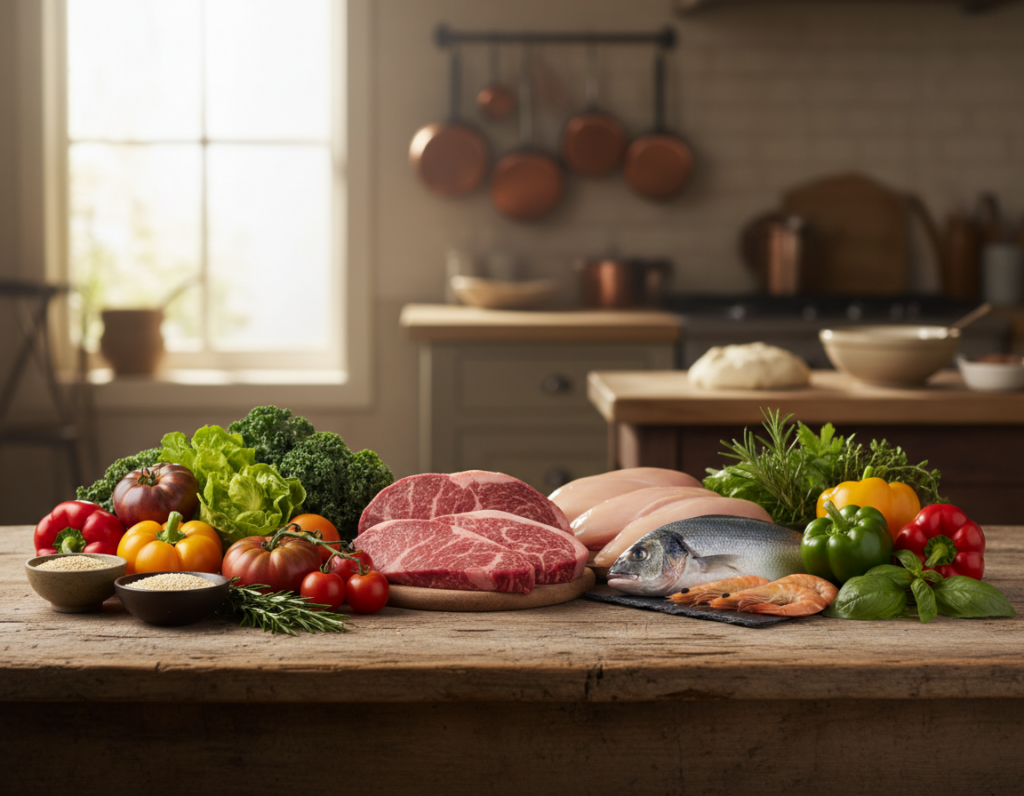
How better ingredients reduce fixes and failed recipes
Consistent supplies lower failure rates. When proteins, oils, and aromatics behave predictably, a recipe finishes the way you expect. That saves time and frustration.
Long-term benefits: satisfaction, health, and fewer wasted meals
Spending a bit more can lift everyday meals to near-restaurant levels, so you eat in more and dine out less. Choosing less processed options also supports daily nutrition goals.
Budget tactics that keep value high and cost low
- Prioritize spend on high-impact items: spices, finishing oil, and proteins.
- Buy seasonal produce or use flash-frozen aromatics (Dorot Gardens) to cut waste.
- Freeze extras and rotate stocks to extend usefulness and reduce waste.
Value is not just price — it’s the benefits over time. For more on balancing cost and payoff, see the importance of quality ingredients.
“A small extra cost today can save time, reduce waste, and make every meal more rewarding.”
Storing and preserving quality ingredients so your dishes stay great
Smart home storage turns seasonal bounty into reliable kitchen staples. Proper handling keeps quality ingredients usable longer and reduces waste. Below are clear, practical steps you can use today.
Best practices for produce, herbs, spices, oils, and meats
Produce: Use crisper drawers and adjust humidity—high for leafy greens, low for most fruit. Store tomatoes at room temperature until ripe.
Herbs: Treat tender herbs like flowers—trim stems and place in a small jar of water or wrap lightly and refrigerate.
Spices and oils: Keep spices in a cool, dark place with lids tight. Store oils away from heat and light to protect freshness.
Meats: Refrigerate promptly; freeze in portioned packs for longer storage and easier thawing.
Freezing, drying, and canning to preserve peak taste
Preserving extends seasonality and keeps staples ready for quick meals. Flash-freeze herbs, garlic, and aromatics in measured cubes. Dry or vacuum-pack fruits for snacks. Use canning for high-acid preserves and broths.
Simple kitchen habits that protect flavor in minutes
- Date spice jars and buy smaller quantities when a blend fades quickly.
- Keep lids closed and avoid shaking spices over steam to stop moisture damage.
- Portion and label freezer packs so older stock is used first.
“Small storage changes save time, cut waste, and keep great ingredients tasting their best.”
| Category | Storage Tip | Best preservation method |
|---|---|---|
| Produce | Crisper humidity; room temp for tomatoes | Refrigerate or freeze ripe fruit |
| Herbs | Jar of water or wrapped, then fridge | Flash-freeze in cubes |
| Spices & oils | Cool, dry, dark; oils away from heat | Buy fresh; replace every 1–2 years |
| Meats | Chill fast; freeze in portions | Vacuum-seal or tightly wrap for freezer |
Conclusion
Improving what you buy raises flavor, aroma, and texture more than any shortcut in the kitchen. A better starting point lifts the final plate and cuts the need for fixes while you cook.
Practical “quality” means freshness, minimal processing, clear sourcing, and smart storage — not just brand names. Upgrading herbs, spices, and finishing oils first gives the biggest immediate boost.
Shop seasonal and local when possible. Use flash‑frozen packs when they preserve peak taste better than tired fresh produce. Favor traceable sources and basic safety checks to protect nutrition and reduce risks.
Final note: this is a repeatable system. Choose well, store well, and simple recipes will consistently impress in home cooking.