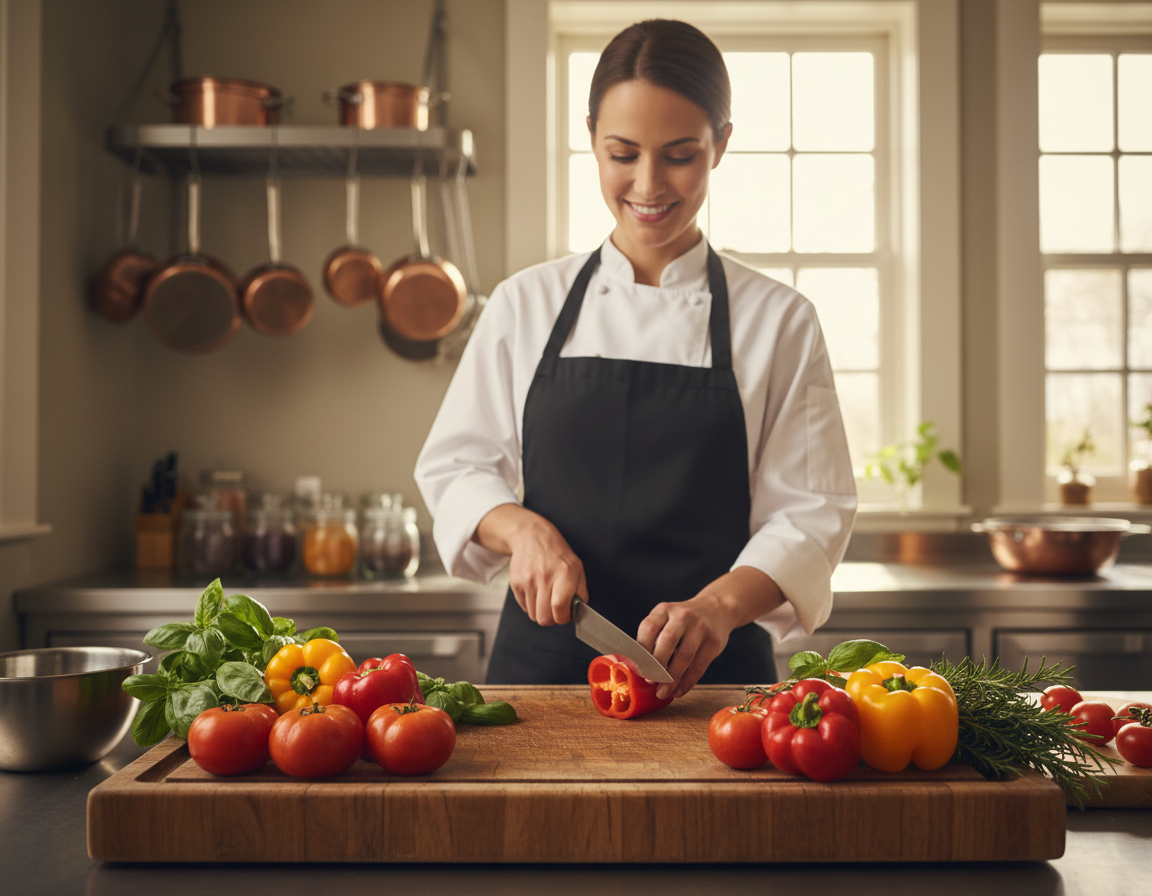
Want brighter flavor with almost no extra work? This guide makes keeping and using fresh herbs for cooking simple and approachable for home cooks across the United States.
Think easy wins: a small stash of garden greens lifts salads, quick sauces, roasted vegetables, soups, simple proteins, and weeknight pasta or pizza.
You’ll get a practical shortlist of the top leafy seasonings to keep on hand. The list includes clear tips on how to pick, prep, and time additions so you don’t waste a bunch.
What you’ll learn: quick pairing ideas, when to add an herb to boost aroma and texture, and smart storage tricks to keep stems lively longer.
This section sets up straightforward, repeatable habits—what to buy, how to cut, and when to finish dishes—so basic recipes feel more finished and taste brighter.
Why fresh herbs make everyday dishes taste better
Small green additions change a meal more than you’d expect. They boost top-note aroma, punchy flavor, bright color, and a lighter texture that dried seasonings can’t match. That sensory lift makes simple food feel intentional and finished.
Flavor, aroma, color, and texture upgrades you can’t get from dried herbs
Fresh leaves hit the nose first, then the tongue. That aroma-led impact creates a perception of stronger taste even when salt stays the same. Visually, chopped greens add contrast that makes salads, sauces, and plated dishes pop.
When to add herbs during cooking to keep flavors bright
Use tender varieties at the end or raw so heat doesn’t mute their flavors. Save woody ones like rosemary and thyme for long-simmer dishes where dried or hearty stems unfold over time.
Quick guide: swap 1 tsp dried for 1 tbsp fresh, then taste as you go. A handful of chopped leaves can rescue a flat salad or sauce in seconds.
Fresh herbs for cooking: how to choose and use them with confidence
Know your two basic categories: tender varieties have soft leaves and pliable stems you can eat, while woody varieties have tough stems that should be stripped or used only to infuse dishes.
Tender vs. woody and why stems and leaves matter
Tender stems add texture and greenhouse brightness when chopped stems-and-all. Woody stems can be sharp and fibrous; they often donate flavor but not mouthfeel.
Shopping tips: what to look for in the produce section
- Choose bunches that stand upright and smell strong.
- Avoid brown spots, sliminess, or limp stems.
- Pick the herb that matches the cuisine—cilantro for Mexican, basil or oregano for Italian—so choices feel safe and useful.
Knife skills basics and the basil chiffonade
Use a very sharp knife or herb scissors to limit bruising. Minimize crushing and stop chopping when leaves look ragged.
Basil chiffonade: stack leaves, roll like a cigar, then slice thin to make attractive ribbons without mangling the leaf.
Stripping woody stems and timing tips
Remove thyme leaves by pinching the top and pulling down the stem. Strip rosemary leaves before mincing; save woody stems to use as skewers or to steep in stock.
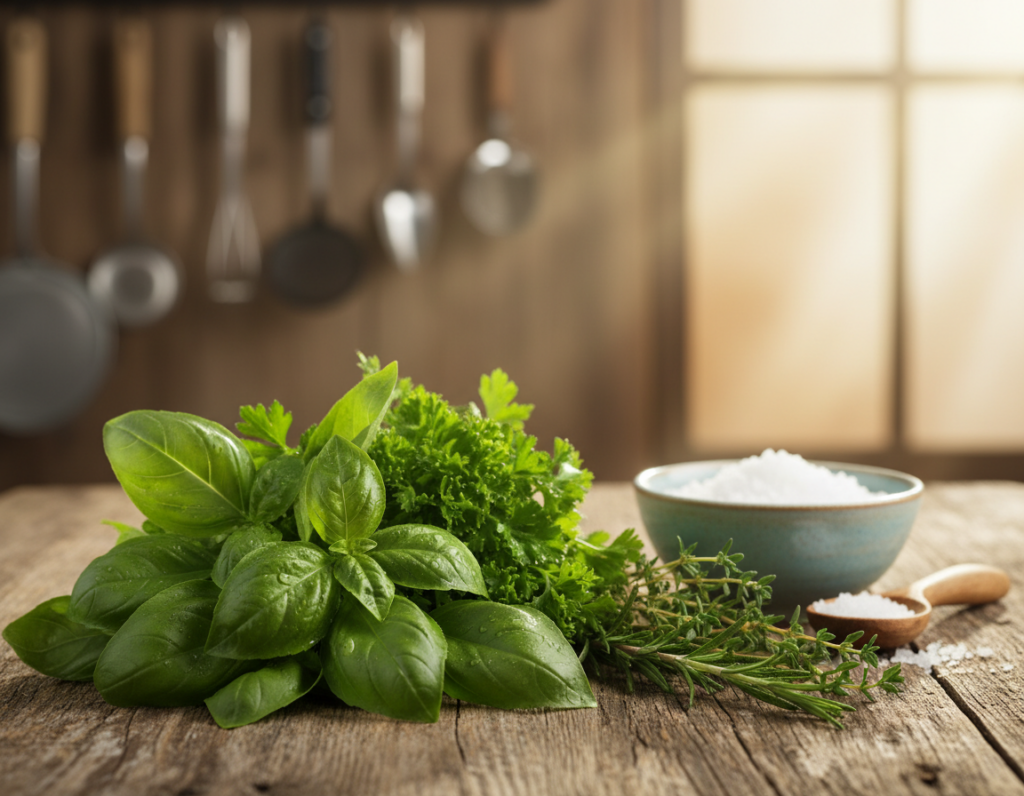
Timing: save tender varieties such as basil, parsley, mint, and cilantro until the end or sprinkle on top at the end cooking stage. Start small—potency varies by herb and by people’s palates—then adjust to taste.
| Type | Eat stems? | When to add | Quick tip |
|---|---|---|---|
| Basil, parsley, cilantro | Yes | End / raw | Chiffonade basil; use leaves and tender stems |
| Thyme, rosemary | No (strip leaves) | Early / simmer | Strip thyme; strip and chop rosemary, use stems as skewers |
| Mint, oregano, chives | Mostly yes | End or garnish | Chop lightly to avoid mush; add at finish for bright flavor |
Want more step-by-step tips on using seasonings? See this beginner’s guide to cooking with herbs and for extra basics and pairings.
Top fresh herbs to keep in your kitchen and what they’re best for
Start with a small, dependable set of leafy seasonings that cover the week’s menus. A compact core keeps choices simple and prevents wasted bunches.
Sweet basil
Basil has a sweet, anise-clove hint. Use it in Caprese, pesto, pizza, and quick sauces. Add basil near the end so heat doesn’t darken the leaves or mute the flavor.
Flat-leaf parsley
Parsley gives a clean, slightly peppery bite. Chop leaves and tender stems for a bright finish on salads and garnishes.
Cilantro
Cilantro shines in tacos and pico de gallo. Most find it citrusy; a small percentage taste it as soap due to genetics. Use it as a finishing herb with citrus.
Chives, dill, and mint
Chives add mild onion notes to eggs, dressings, and potatoes without the raw bite.
Dill is grassy and pairs beautifully with salmon and yogurt sauces; stir it into creamy dressings for instant lift.
Mint gives cooling contrast in salads and drinks—use sparingly so it doesn’t dominate.
Rosemary, thyme, oregano, and sage
Rosemary is piney and powerful; strip the leaves from woody stems and use sparingly with pork, chicken, and potatoes.
Thyme holds up in soups and stews—pull leaves off stems before serving. Oregano fits Italian dishes and marinades; Greek oregano is more pungent than common varieties.
Sage is bold raw; try frying leaves until crisp as a savory garnish that adds texture and intense flavor.
How to store fresh herbs so they last longer
Simple storage tricks can double how long your bunches stay bright and useful. Good storage cuts waste, saves time, and makes it easier to add extra flavor to weeknight dishes.
Herb keepers: best for parsley and cilantro longevity
Use an herb keeper with about an inch of water to extend life—parsley and cilantro often last 2+ weeks this way. Trim stems, discard discolored leaves, place stems in water, cover, and refrigerate.
Tip: change the water and blot excess moisture with a paper towel if leaves look too wet.
Damp paper towel and zip-top bag: easiest weeknight method
Wrap bunches loosely in a damp (not soaked) paper towel and slide into a zip-top bag or airtight container. This method keeps most delicate leaves usable up to a week or a bit longer.
Avoid over-wetting. Too much moisture causes sliminess and shortens storage time.
Countertop bouquet method and why basil is the exception
For tender varieties, place trimmed stems in a jar with 1–2 inches of water and keep the leaves above the line. Change the water every 1–2 days; expect 3–7 days of life on the counter.
Basil: do not refrigerate—store basil at room temperature in water like a bouquet. Cold turns its leaves dark and dulls flavor.
| Method | Best uses | Typical shelf life | Key step |
|---|---|---|---|
| Herb keeper (fridge) | Parsley, cilantro | 10–21 days | Trim stems, 1″ water, cover |
| Damp paper towel + bag | Most tender leaves | 5–10 days | Wrap loosely, damp not soaked |
| Countertop bouquet | Basil, mint, coriander | 3–7 days | Keep leaves above water, refresh often |
| Freezing (ice cubes) | Thyme, rosemary, parsley | 2–6 months | Chop + oil or water in trays |
Backup plan: chop extra leaves and freeze in ice trays with olive oil or water. Ice cubes drop into sauces and soups and hold flavor even if texture changes. Use frozen herbs mainly in cooked dishes, not as a raw garnish at the end.
Need a deeper how-to? Read a detailed guide on how to store herbs for more step-by-step photos and timing advice.
Conclusion
Keeping a couple of go-to leafy seasonings makes it easy to boost taste any night of the week.
Main takeaway: a small set of fresh herbs lifts salads, soups, stews, and simple roasted dishes with almost no extra time. Use the 1 tsp dried = 1 tbsp fresh rule, then adjust to taste.
Be clear whether an herb is tender or woody. Eat tender leaves and some soft stems at the end to keep bright aroma. Add rosemary or thyme earlier to let their deeper flavor develop.
Start with basil and parsley, then expand. This builds confidence and makes using herbs a habit, not a chore.
Next step: pick one meal this week—salad, soup, or roasted chicken and potatoes—and finish the dish with a light herb garnish to notice the difference immediately.